HEPA Filters
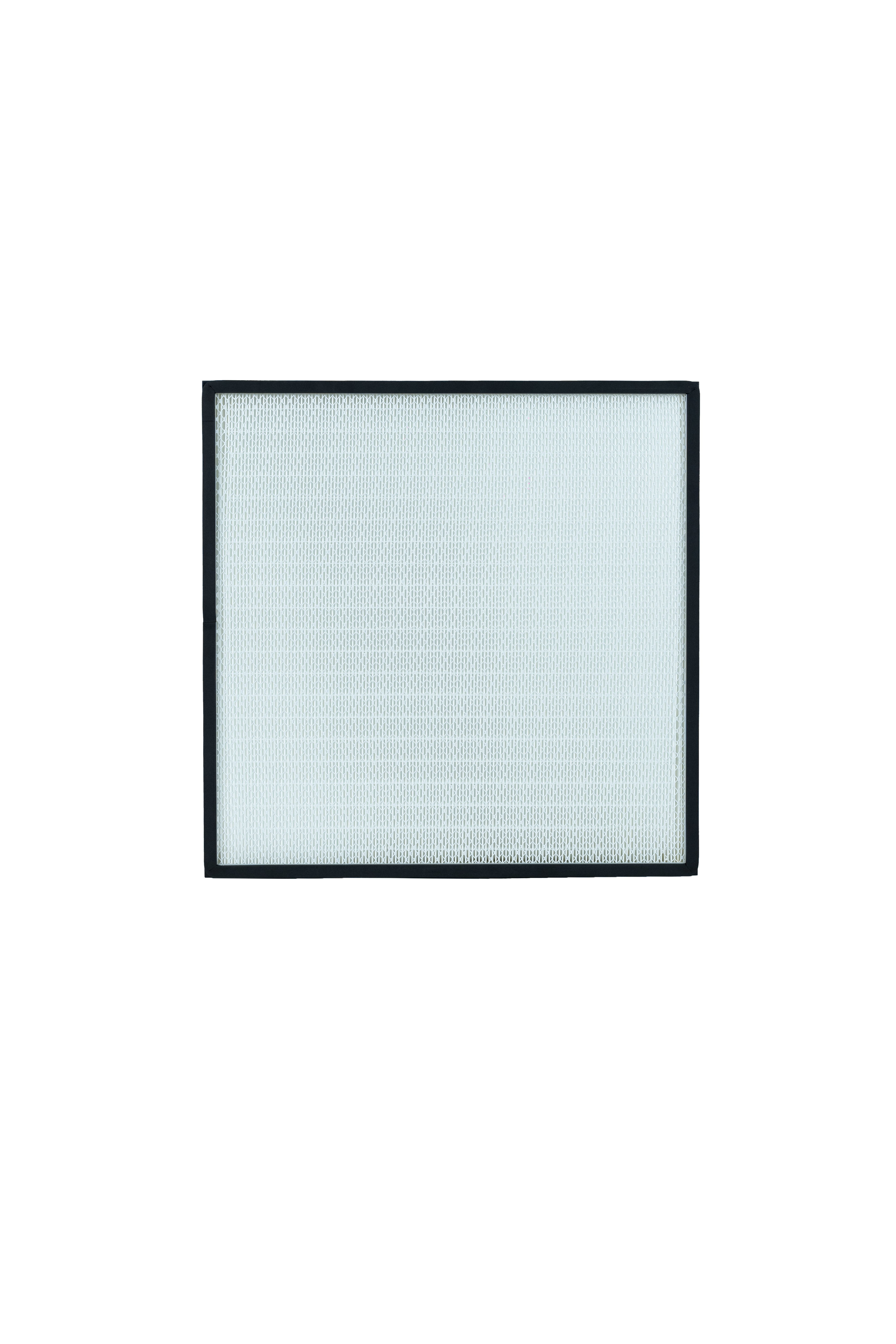
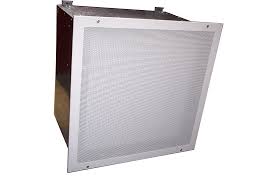
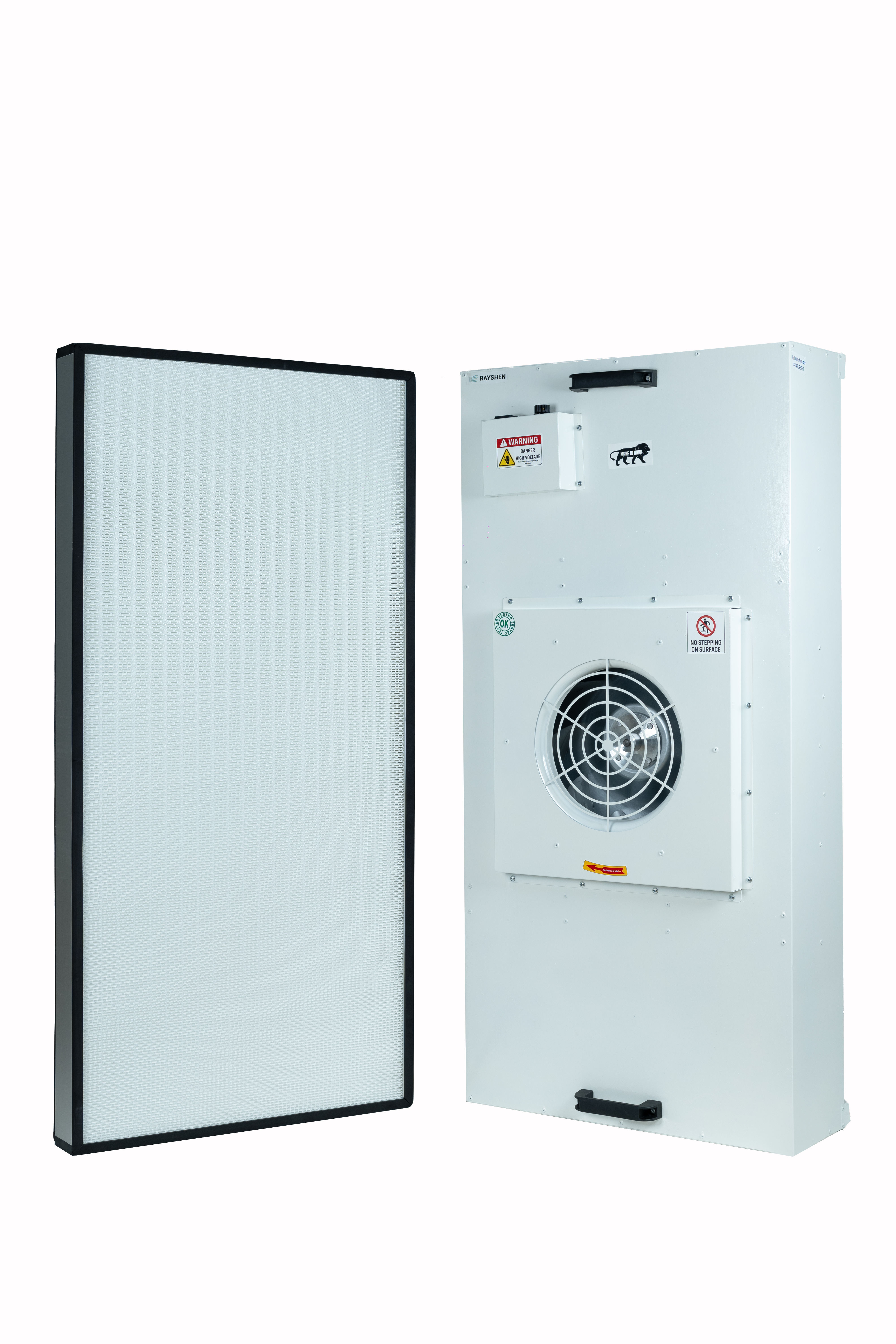
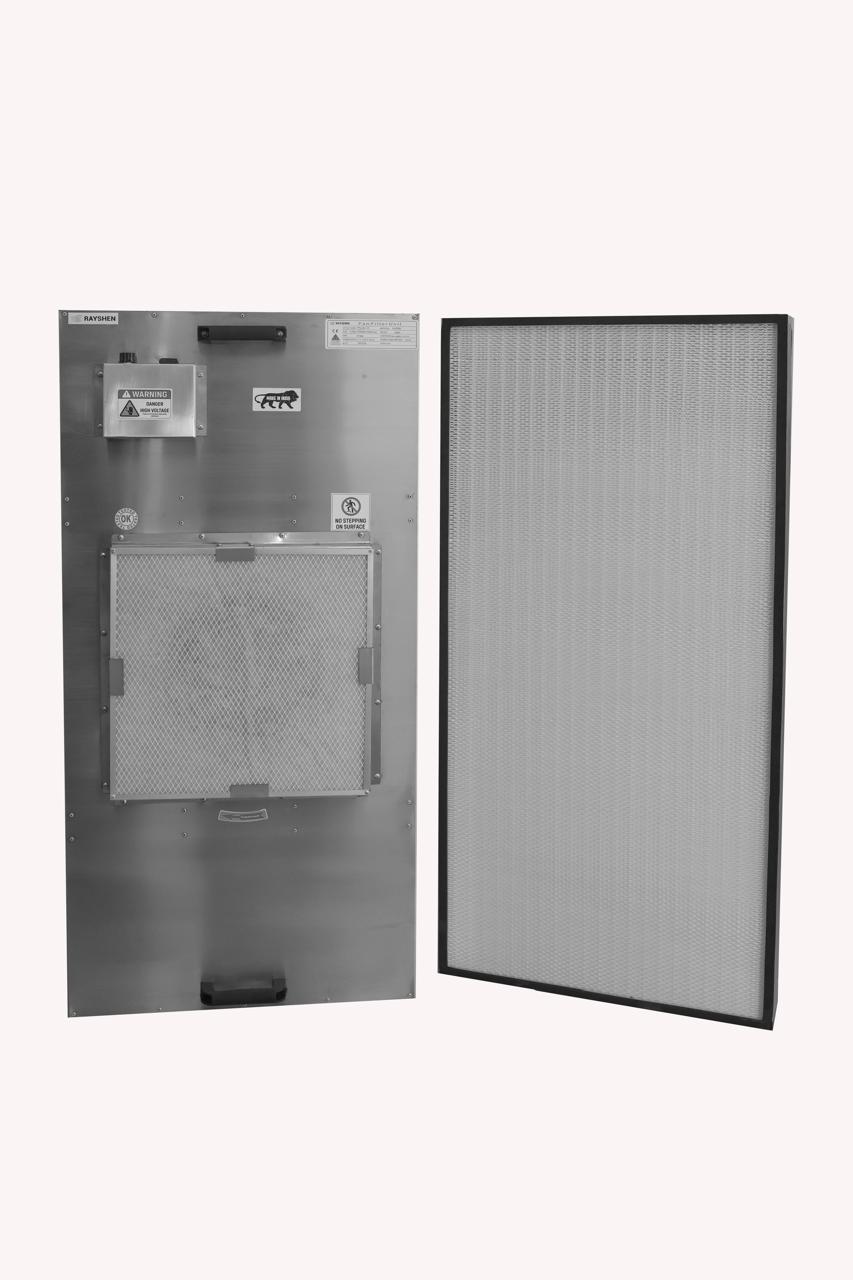
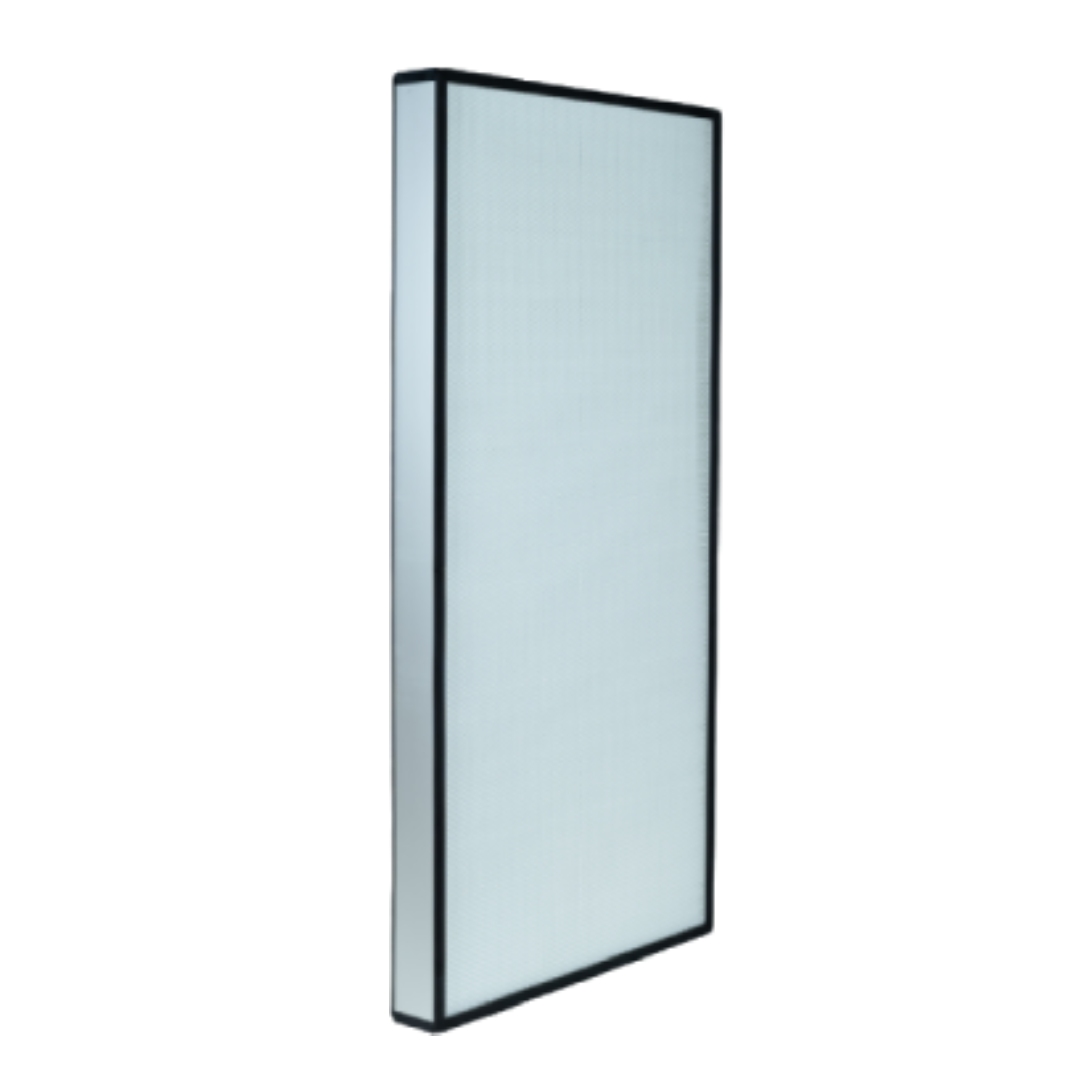
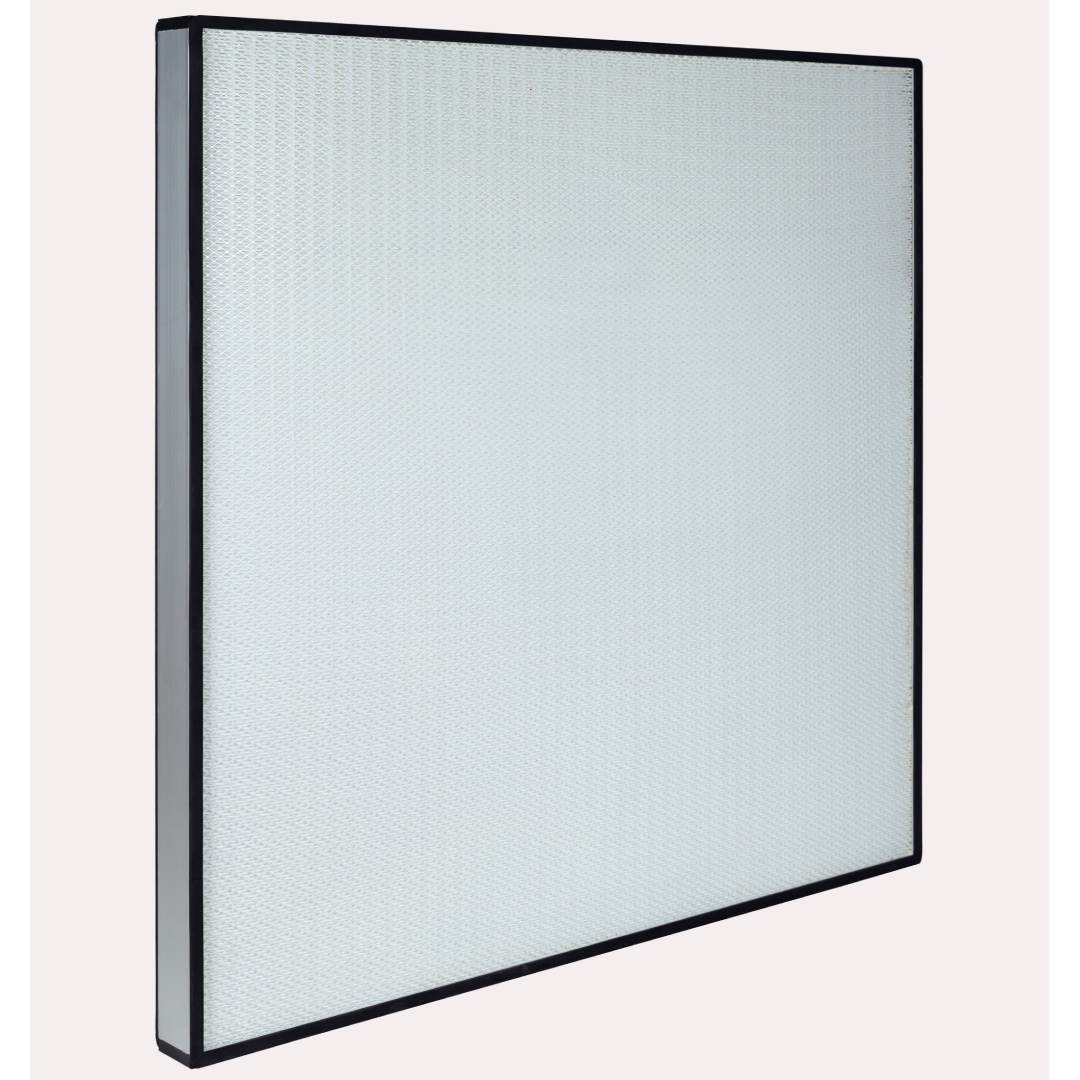
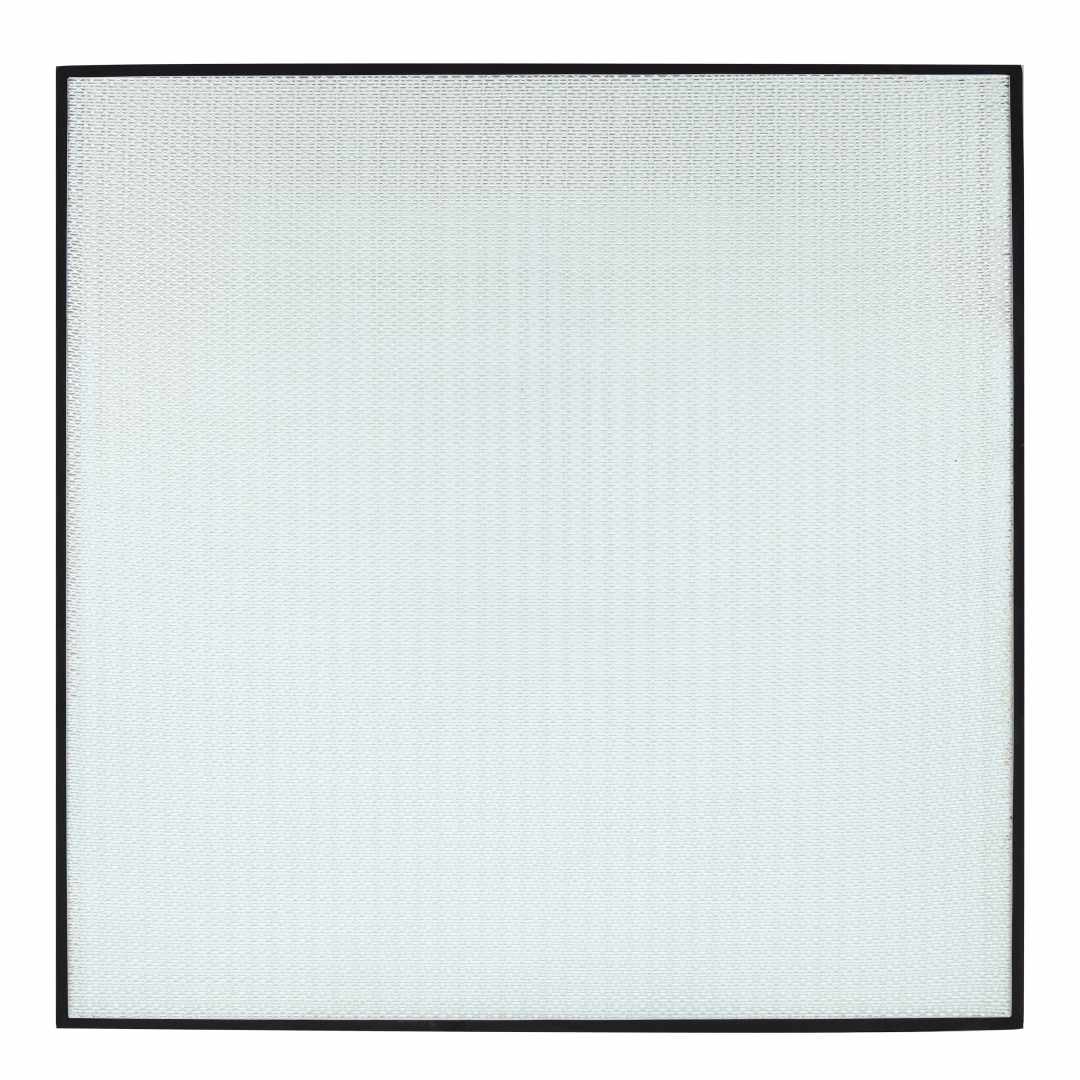
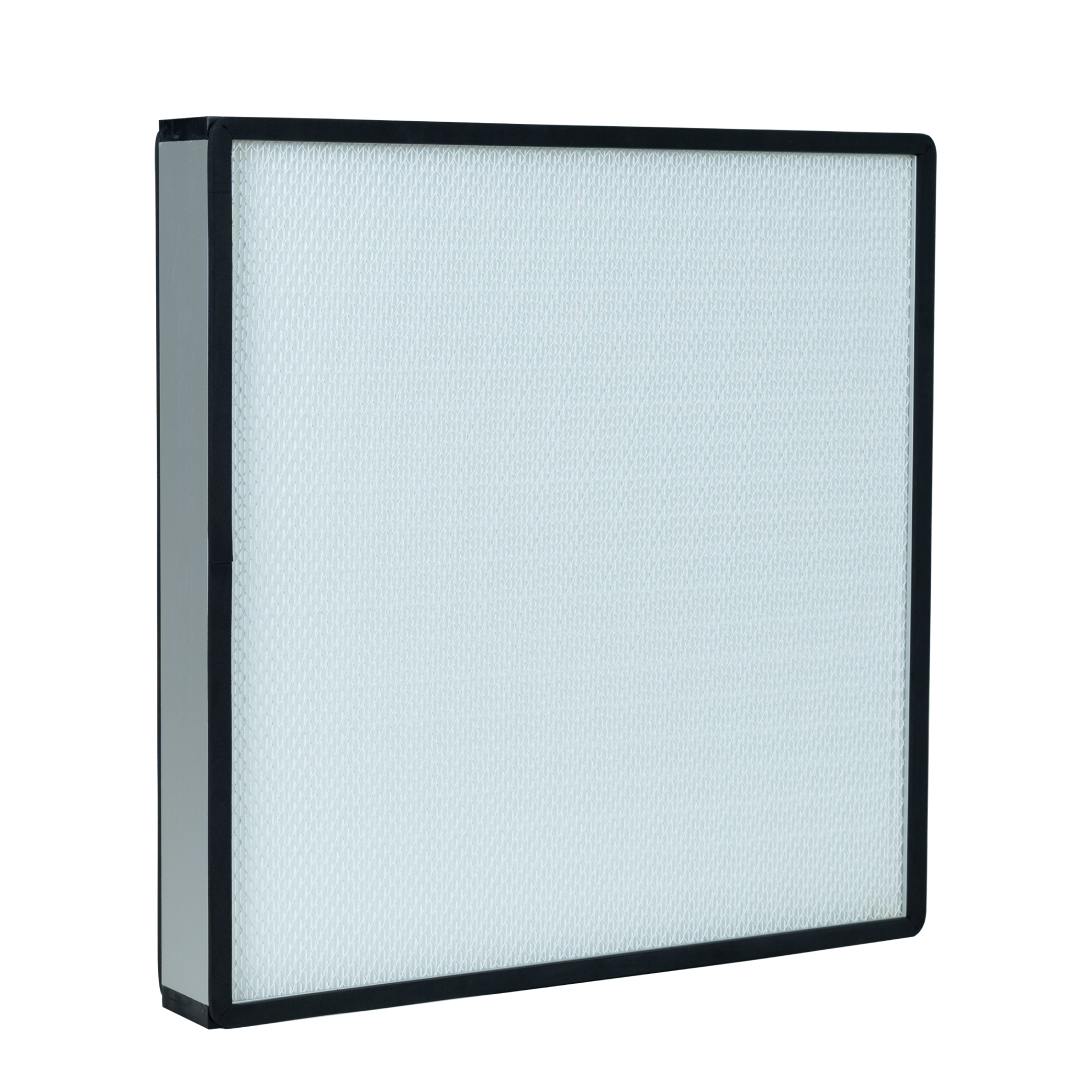
"HEPA filter uses ultra-fine glass fiber as the filter media and hot-melt adhesive as the separator, with various frame options.
Compared to separator HEPA filters, it is smaller, lighter, and aesthetically appealing, making it ideal for airflow-restricted applications."
Explanation
(1) Initial Airflow Resistance: The airflow resistance when a new filter is first installed, ensuring normal fan operation.
(2) Final Resistance: The resistance when the filter is near the end of its lifespan. Replacement is recommended at this stage to prevent airflow reduction and equipment performance issues.
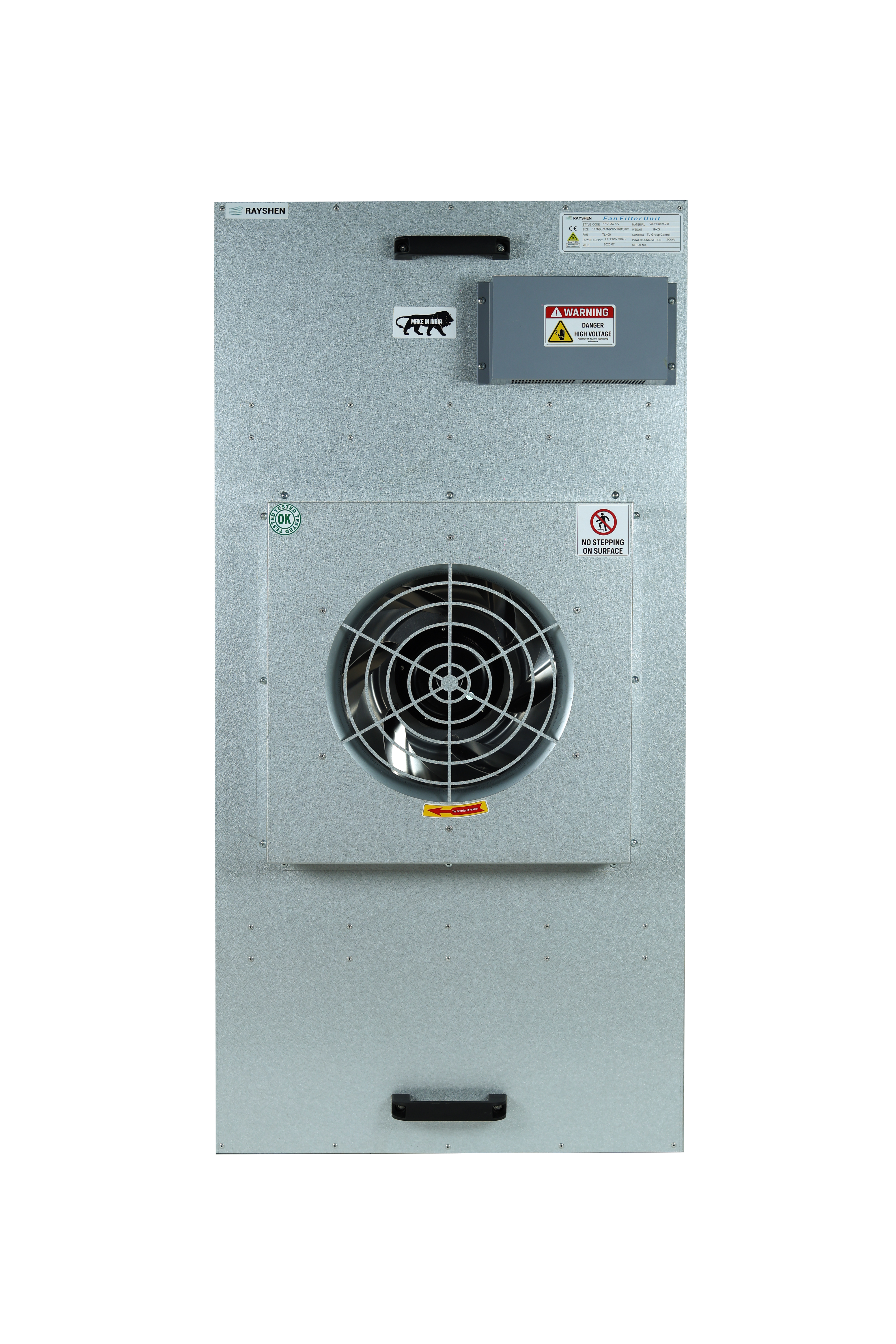
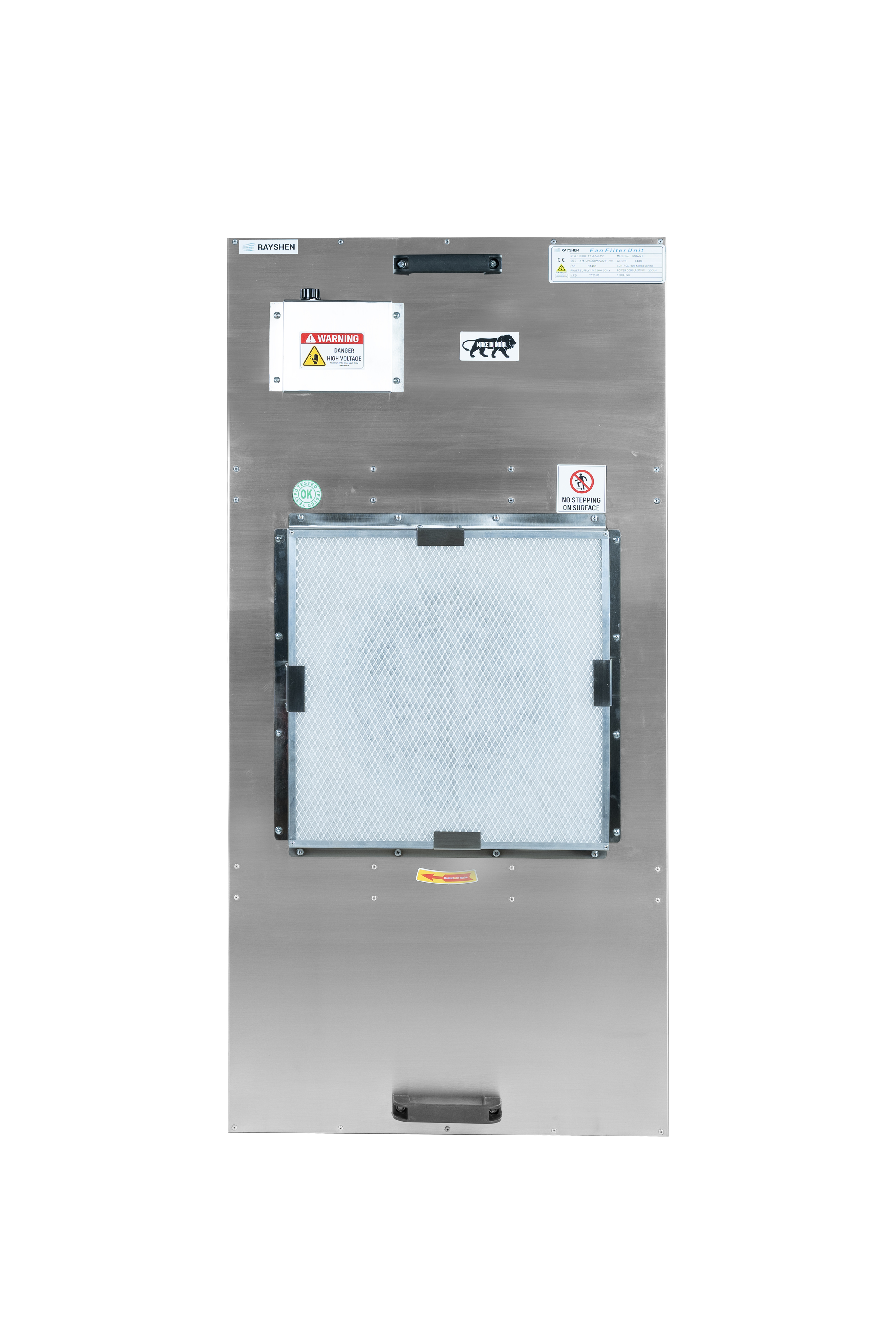
(3) Working Air Volume: The airflow volume when working in combination with an FFU.
(4) Maximum Air Volume: The maximum airflow the filter can withstand. Exceeding this limit may cause damage or air leakage.

Certified HEPA Filter Manufacturer: High-Efficiency H13 & H14 Air Filtration Solutions
In the demanding landscapes of industrial manufacturing and healthcare, air purity is a non-negotiable standard. Rayshen is a premier HEPA filter manufacturer in India, dedicated to engineering high-performance filtration systems that safeguard products, processes, and personnel. Our High-Efficiency Particulate Air (HEPA) filters are designed to capture 99.97% to 99.995% of airborne contaminants, ensuring your facility remains compliant with international ISO 14644 cleanroom standards.
From Mini-Pleat HEPA filters for compact laboratory equipment to Deep-Pleat HEPA filters for massive Air Handling Units (AHUs), Rayshen provides the technical expertise and manufacturing precision required to tackle the most challenging air quality issues.
What is a HEPA Filter? The Science of Sub-Micron Filtration
A true HEPA filter is not just a screen; it is a sophisticated matrix of randomly arranged micro-glass fibers. To be classified under the EN 1822 or ISO 29463 standard, the media must trap at least 99.95% (H13) or 99.995% (H14) of particles at the Most Penetrating Particle Size (MPPS)—typically 0.3 microns.
In a Pharmaceutical Grade Air Filter, this precision is what prevents microbial ingress during aseptic filling. For a Cleanroom Air Filter Manufacturer, the challenge lies in maintaining this efficiency while ensuring the lowest possible resistance to airflow.
H13 vs H14 HEPA Filter: Choosing the Correct Efficiency Grade
Understanding the difference between H13 vs H14 HEPA filters is vital for cost-effective facility management.- H13 HEPA Filter: Known as medical grade, these are widely used in hospitals and general labs. They provide excellent protection against bacteria and mold but allow for slightly higher airflow than H14 models.
- H14 HEPA Filter: This is the Pharmaceutical Grade Air Filter standard. With 99.995% efficiency, it is required for ISO Class 5 environments where even a single particle could compromise a product batch.
How Rayshen HEPA Filters Work: The Four Mechanisms
Unlike standard filters that act like a sieve, our HEPA media utilizes four distinct physical mechanisms to achieve ultra-high efficiency:
- Sieving: Larger particles are caught between the gaps of the glass fibers.
- Interception: Mid-sized particles follow the airstream but brush against a fiber and stick to it.
- Inertial Impaction: Heavy particles cannot navigate the twists of the fiber matrix and crash directly into the glass strands.
Diffusion (Brownian Motion): The smallest particles (under 0.1 microns) move erratically, eventually colliding with and adhering to the fibers. This is why HEPA filters are actually more effective at capturing the smallest viruses than mid-sized dust.
Types of HEPA Filters Manufactured by Rayshen
Different environments require different airflow dynamics. As a leading Cleanroom Air Filter Manufacturer, we offer three core configurations tailored to specific HVAC needs.
Mini Pleat HEPA Filter
Designed for modern HVAC systems and Fan Filter Units (FFU), the mini-pleat design uses thermoplastic glue to separate pleats. This allows for a much larger surface area in a thinner frame (50mm to 100mm), leading to lower energy costs due to reduced air resistance.
Deep Pleat HEPA Filter India
Utilizing aluminum separators, the Deep Pleat HEPA filter is built for high-volume airflow and rugged industrial AHU applications. It offers superior mechanical strength and is capable of handling higher face velocities without media deformation.
Gel-Seal HEPA Filters
For Class 100 cleanrooms, our gel-seal models provide a "knife-edge" fit into the ceiling grid. This ensures a 100% airtight seal that exceeds traditional gasket performance, making it the preferred choice for pharmaceutical filling lines.
Technical Specifications & Construction Materials
To help engineers and procurement managers make informed decisions, we provide transparent technical data for our entire product line.
- Filter Media: Imported, waterproof, fire-retardant micro-glass fiber paper.
- Frame Options: Extruded Anodized Aluminum, Galvanized Steel (GI), or SS 304/316.
- Sealant: Two-component cold-curable polyurethane for a leak-proof bond.
- Gasket: EPDM, Neoprene, or Fluid/Gel Seal for zero-bypass installations.
| Property | H13 Grade | H14 Grade |
| Efficiency (@ 0.3μm) | 99.97% - 99.99% | 99.995% - 99.999% |
| Initial Resistance | ~250 Pa | ~280 Pa |
| Max Operating Temp | 80°C | 80°C (High-temp available) |
| Application | Healthcare / Labs | Pharma / Semiconductors |
Custom Size HEPA Filter Solutions
One of Rayshen’s primary strengths is our ability to manufacture Custom Size HEPA filters. Many legacy HEPA Filter for HVAC systems require non-standard dimensions that are difficult to find in the market. We fabricate filters to your exact millimeter specifications, ensuring you don't have to modify your expensive AHU housing to fit a standard filter.
Industrial Applications: Where Air Purity is Critical
Pharmaceutical & Biotechnology
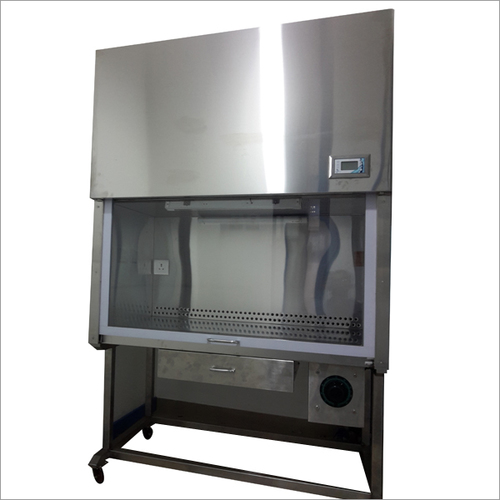
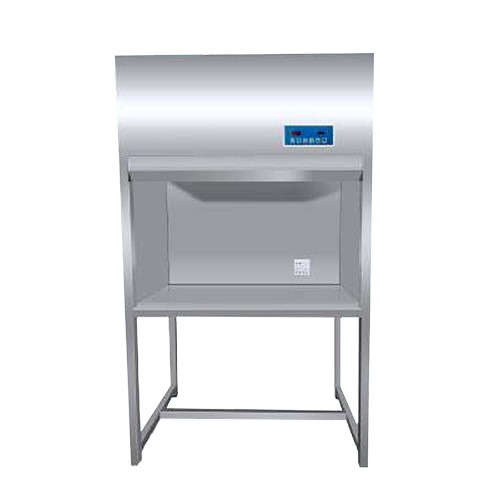
In drug manufacturing, airborne microbes are "yield killers." Our H14 HEPA filters are essential for Aseptic Filling Suites and Laminar Air Flow (LAF) benches, protecting localized work zones from cross-contamination.
Semiconductor & Electronics Manufacturing
As microchips get smaller, dust becomes a lethal defect. Our Mini Pleat HEPA filters provide the sub-micron filtration necessary for wafer fabrication and SMT assembly lines.
Hospitals & Healthcare Facilities
Protecting vulnerable patients in Operating Theatres (OT) and Isolation Wards requires specialized air management. Our H13 filters ensure that infectious diseases are contained and surgical sites remain sterile.
Quality Advantage: Individual Leak Testing (DOP/PAO)
Buying a HEPA filter is an investment in your facility's safety. At Rayshen, we don't just "sample test." Every filter we ship undergoes an individual DOP (Dispersed Oil Particulate) or PAO integrity test in our factory.
We provide a signed Test Certificate with every unit, detailing the actual efficiency and pressure drop. This level of transparency is why we are a trusted Cleanroom Air Filter Manufacturer for Tier-1 pharmaceutical companies.
Maintenance Guide: Maximizing Your HEPA Filter Life
To ensure your investment is justified by a long lifespan (usually 2-3 years), we recommend a multi-stage approach. Always use a G4 Pre-filter and an F7/F9 Fine Filter upstream. This prevents the HEPA filter from clogging with large dust particles.
Monitor your Manometers closely. Once the pressure reaches the "final resistance" (usually double the initial resistance), the filter must be replaced. Note: Never attempt to clean HEPA media; the glass fibers are delicate and will tear, destroying the filter's efficiency.
Conclusion: Elevating Standards with Rayshen Filtration
Whether you are looking for a Deep Pleat HEPA filter in India or a specialized Gel-Seal H14 module, Rayshen Environmental delivers the quality your industry demands. Our focus on E-E-A-T principles ensures that you receive a product that is validated, durable, and optimized for low energy consumption.
Ready to secure your air quality?
Contact our engineering team today for a technical consultation or a quote on Custom Size HEPA filters.
All Products